Entrada Strategies to Help Players Master Their Shift in FNAF en Cuenca
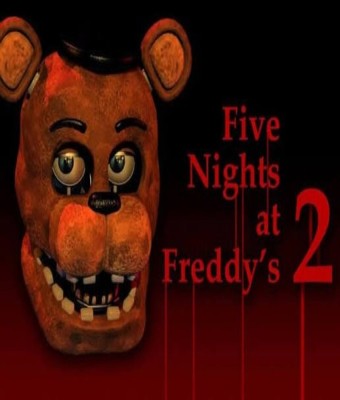
FNAF's strength lies heavily in its character design. Freddy, Bonnie, Chica, and Foxy don't resemble traditional horror creatures. These are mascots with toy-like appearances and performance characters, with faces designed to attract children. However, when placed in a dark hallway, under dim light, or in a noisy camera frame, the meaning of these designs completely changes. Their eyes, smiles, and motionless postures become details that make the player uncomfortable. The longer you look, the more familiar the feeling becomes strange. FNAF cleverly exploits the fear of things that are designed to look friendly but operate in unpredictable ways. This is what gives the animatronics strong recognition without relying on overly gory or grotesque designs.
One of the most important tools for a security guard is the camera system, but cameras in fnaf never provide absolute security. They allow the player to see areas invisible to the naked eye, but each time you turn on the screen, you are temporarily leaving the direct view of the office. Furthermore, the camera only shows a specific moment and cannot convey everything that is happening in the restaurant. You might see an animatronic in one room, move to another corner, then return and find that its position has changed. The time between two observations becomes an area of uncertainty, where the player doesn't know exactly what happened. This is how FNAF turns a surveillance tool into a source of tension, because the more you want to know, the more you have to accept that you are missing something elsewhere.
If the camera creates information, the power supply creates limitations. Players cannot arbitrarily turn on everything throughout the night because the amount of electricity allowed is finite. Lights, doors, and defense systems all have to be considered, making every action come with a price. When the power runs out, the ability to defend the office is severely affected. This makes FNAF not just a horror game but also one with a very clear resource management element. Players must learn to distinguish when it's truly necessary to check, when to close doors, and when to conserve energy. An action might provide temporary safety but significantly reduce survival chances in the following minutes. This limitation prevents players from instinctively employing defensive strategies.


